
About 16 mi / 22 min from New Haven. Same-week scheduling for planned repairs, plaster work, and finishing; priority visits for sagging or water-damaged ceilings.
Plaster and Drywall in Guilford
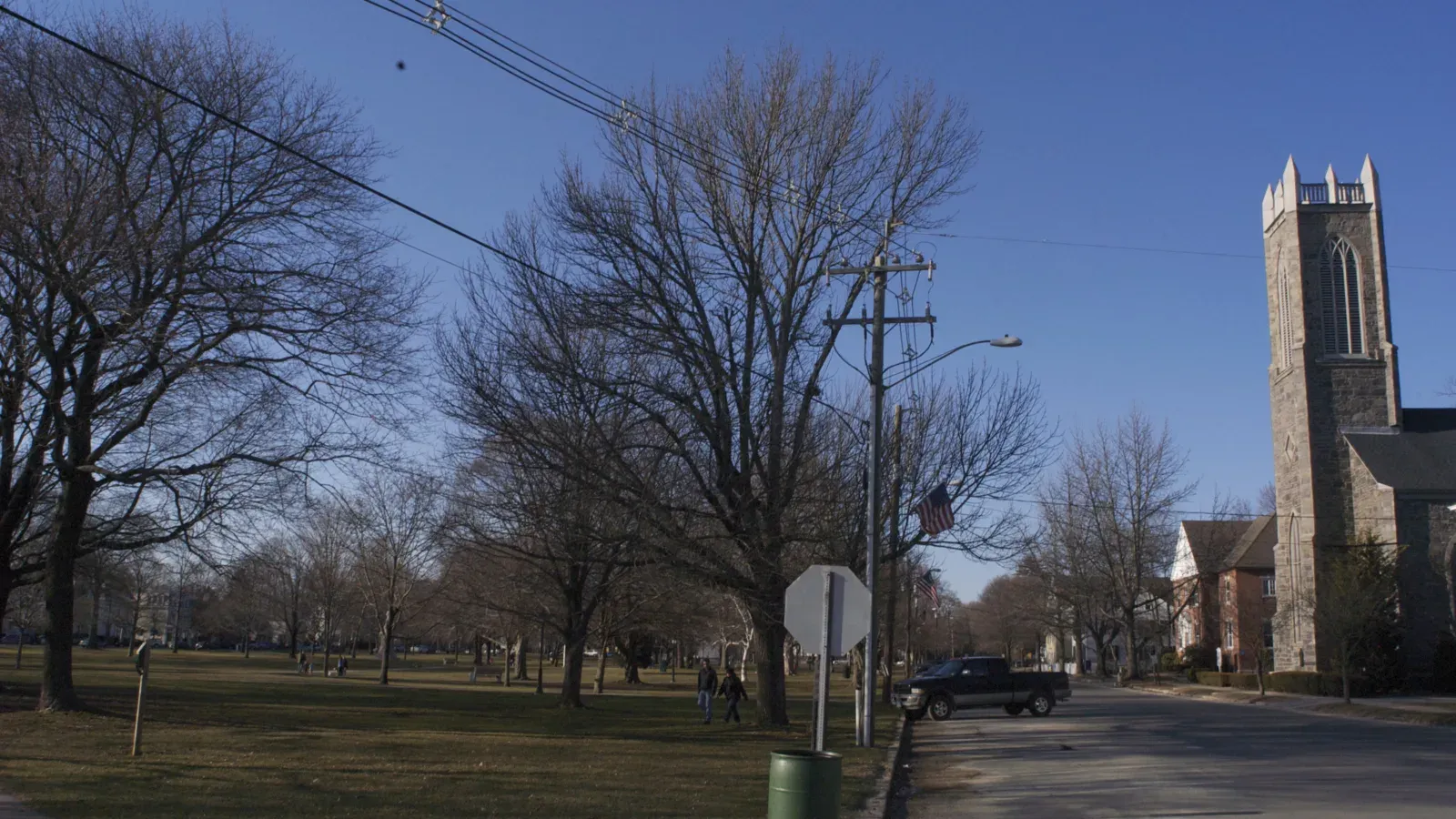
Guilford is one of the oldest towns in Connecticut, settled in 1639, and it wears that history in its housing. Around the historic Green, one of the largest in New England, and out through Nut Plains, there is a genuine stock of 18th- and 19th-century colonials and capes. Along the shoreline at Sachem’s Head and Leetes Island there are older and higher-end coastal homes, and inland toward North Guilford there are farmhouses and later subdivisions. For interior walls, that antique housing is what sets Guilford apart, about sixteen miles east of New Haven.
Old plaster is the specialty here
The antique homes are built with true plaster, often horsehair plaster troweled over wood lath, and repairing it is a different craft from hanging drywall. It cracks along old stress lines, loses its keys to the lath, and sags, and the wrong response is to cut it out and slap in a drywall patch that reads flat and dead next to the surrounding wall. Sound plaster gets stabilized with plaster washers and skim-coated back to the hard, flat finish these houses are known for. Where the plaster has genuinely failed, we convert that area to drywall and match the profile and texture so the transition disappears. A lot of the work in Guilford is exactly this judgment call, home by home, wall by wall.
The historic district and period detail
Homes in and around the historic district face Historic District Commission review, and even where a repair is purely interior, the finish has to be true to the period. That means matching plaster texture and profile rather than defaulting to a modern smooth-drywall look, and keeping the character of the room intact. Because so much of this housing predates 1978, we also follow lead-safe RRP practices when disturbing old painted surfaces.
The shoreline homes
At Sachem’s Head, Leetes Island, and Mulberry Point, the story shifts to water. These near-water homes carry the coastal humidity and flood exposure of any shoreline, so water-damaged board and mold behind walls are part of the work here too. As on the rest of the shoreline, the repair starts with checking whether the board can dry or must come out, and looking behind it for mold before closing anything up.
Neighborhoods we work in
- Guilford Green — One of the largest historic town greens in New England
- Sachem's Head — Waterfront neighborhood of older and higher-end coastal homes.
- Leetes Island — Near-water homes exposed to coastal weather and flooding.
- Nut Plains — Older inland neighborhood with period homes.
- North Guilford — Rural inland area with farmhouses and later subdivisions.
Why Guilford homes need what they need
Antique colonials around the Green and Nut Plains have true horsehair plaster over lath
This is specialist plaster repair with historic profiles, not a drywall job; a wrong patch reads instantly
Owners of old homes want smooth, flat walls without losing the plaster look
Skim-coating restores the flat plaster finish these houses are known for
Sachem's Head and Leetes Island are flood-exposed shoreline
Coastal water intrusion drives water-damaged board and mold behind walls
Historic-district homes near the Green face design review
Interior finishes need to match period detail cleanly
What we’re called for most in Guilford
Local resources for Guilford homeowners
- Building / Permit Dept — The department is at 31 Park St and uses online application and permitting.
- Assessor / Property records — Assessor records at 31 Park St are the local housing-era data source.
- FEMA flood map — The shoreline neighborhoods sit in mapped flood zones; check before near-water work.
Frequently asked questions
I own an antique colonial near the Green with original plaster. Will you keep the plaster or tear it out? +
We keep it wherever it is sound. True horsehair plaster over lath is worth preserving, and it can be stabilized with plaster washers and skim-coated back to a flat finish. We only convert to drywall in areas where the plaster has genuinely failed, and we match the profile so it does not stand out. On historic-district homes we work within the commission's review.
Can you make old plaster walls smooth again without them looking like new drywall? +
Yes. A skim coat over stabilized plaster restores the hard, flat look these houses are known for, which a bare drywall patch never quite matches. That is a big part of what we do in Guilford.